Get your feet wet: Join the Lower Esopus Community Stream Monitoring Program

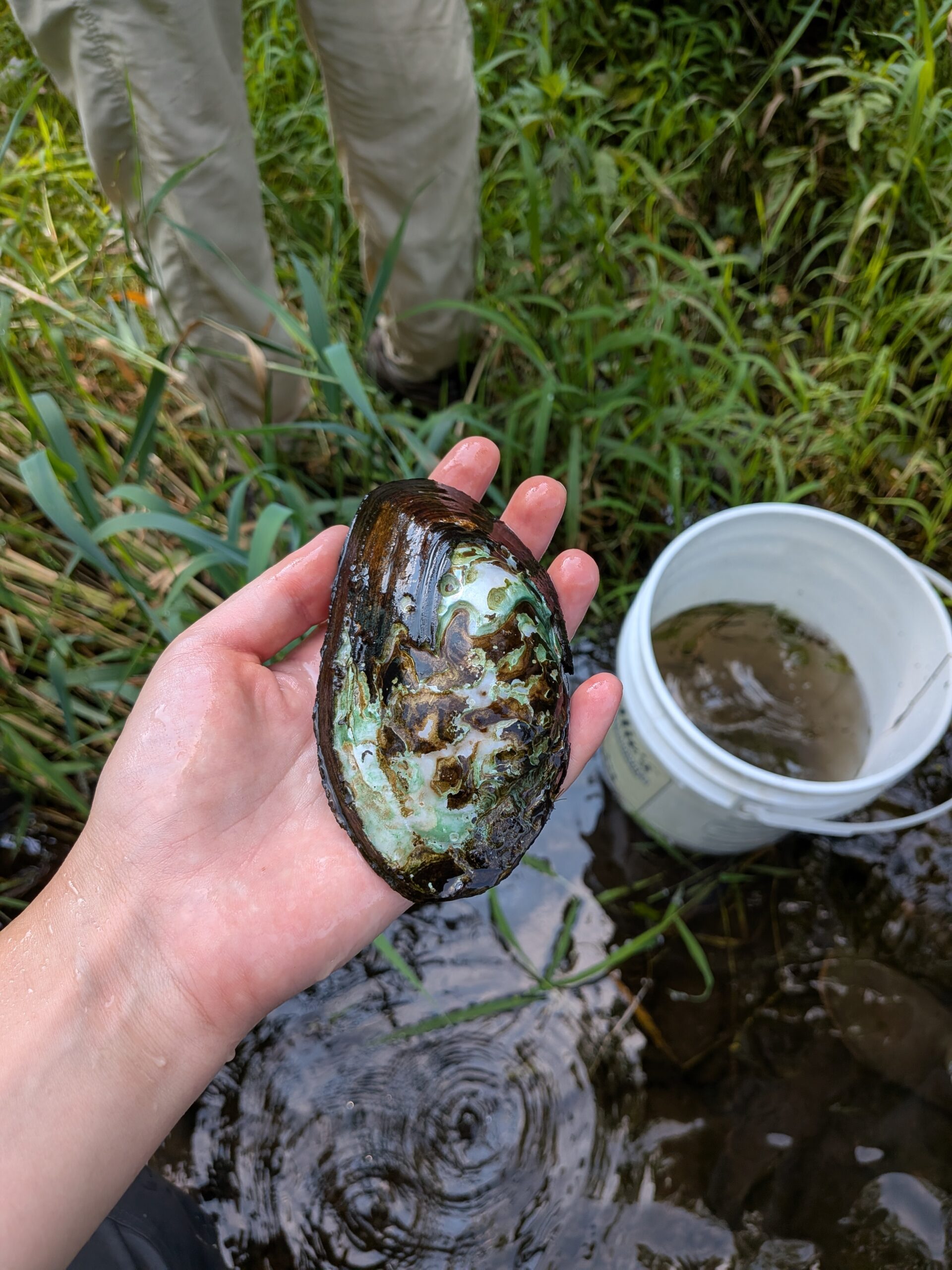
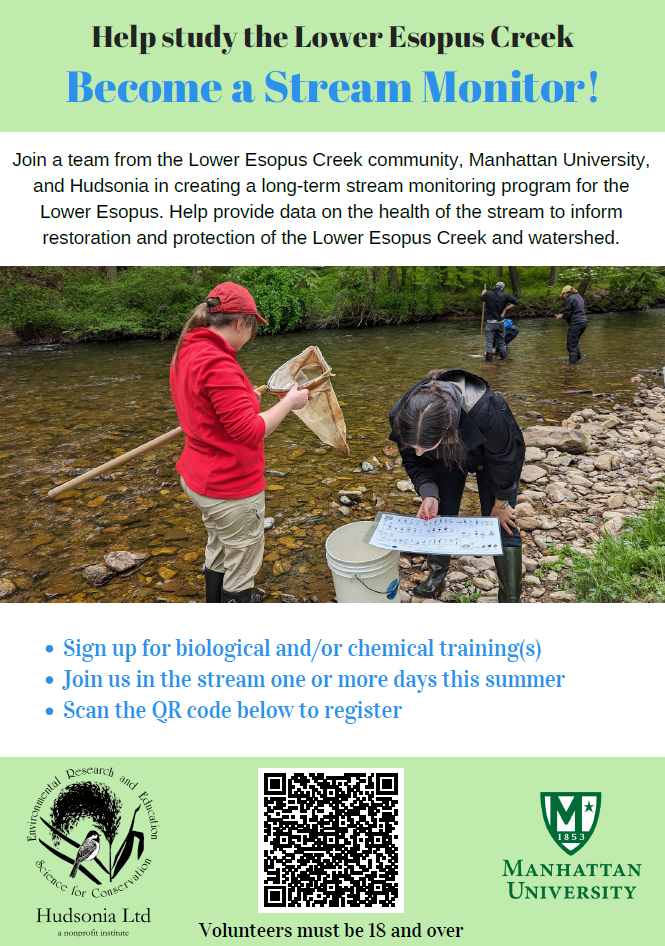
Local community members have a unique opportunity to dive into environmental science this summer by joining the newly launched Lower Esopus Stream Community Monitoring Program.

 Co-led by Hudsonia and Manhattan University, in collaboration with Riverkeeper and local community groups, this program will train volunteers to collect meaningful biological, chemical, and physical data along the Lower Esopus stream corridor.

 The data collected by volunteers will help inform stream restoration and protection efforts, while establishing a crucial, long-term dataset to track water quality trends throughout the Lower Esopus watershed.

 Starting this July, community members can give hands-on help through two main monitoring efforts:

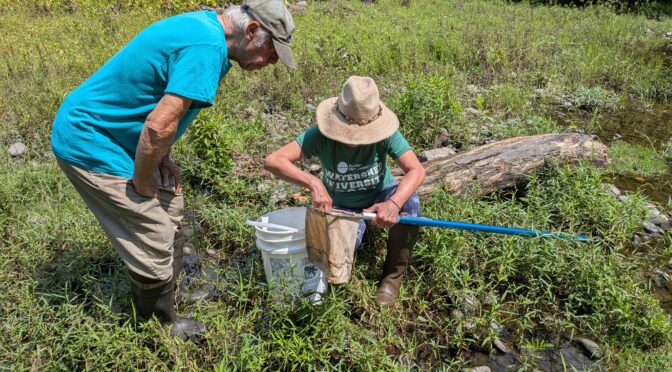
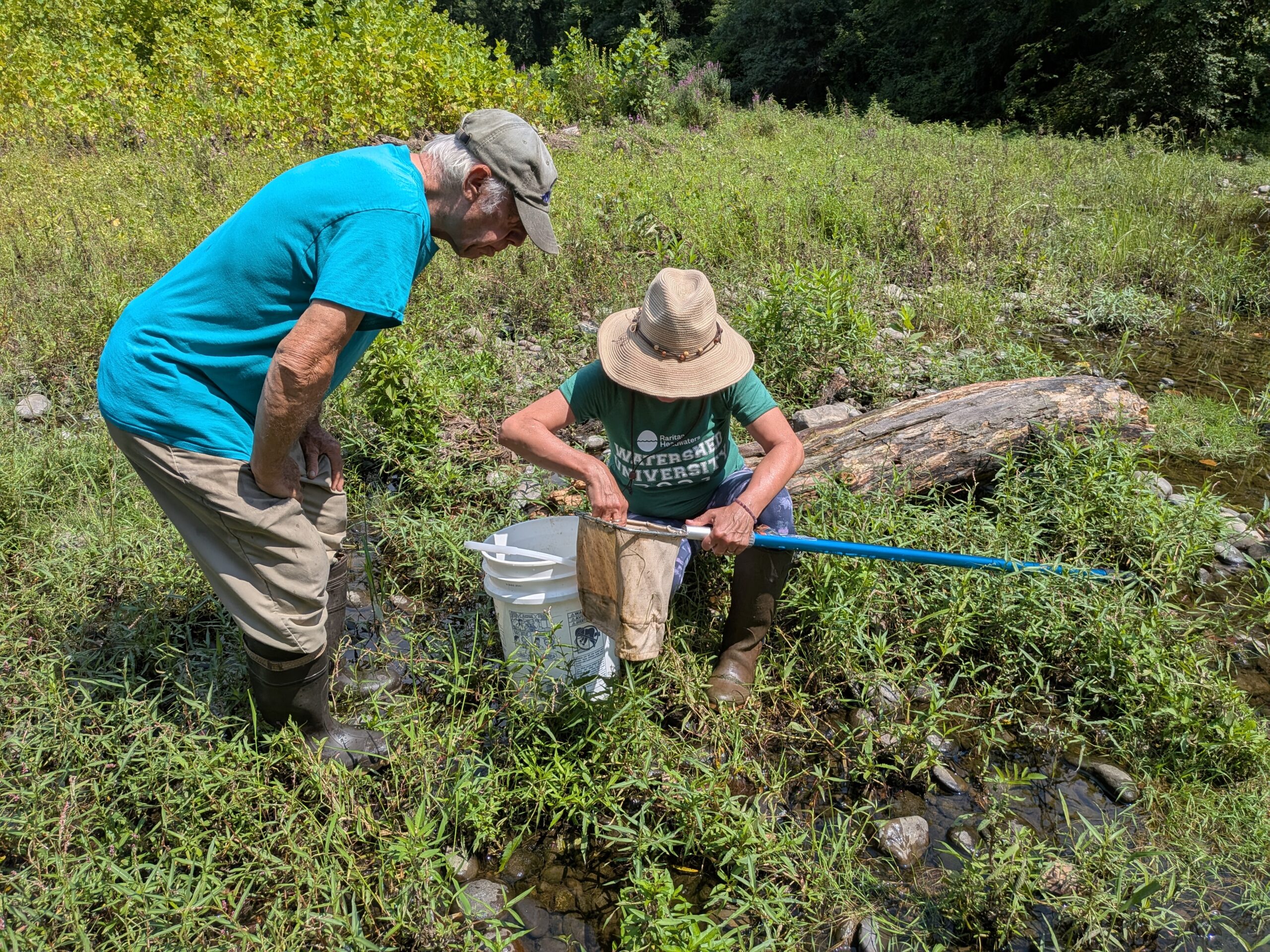
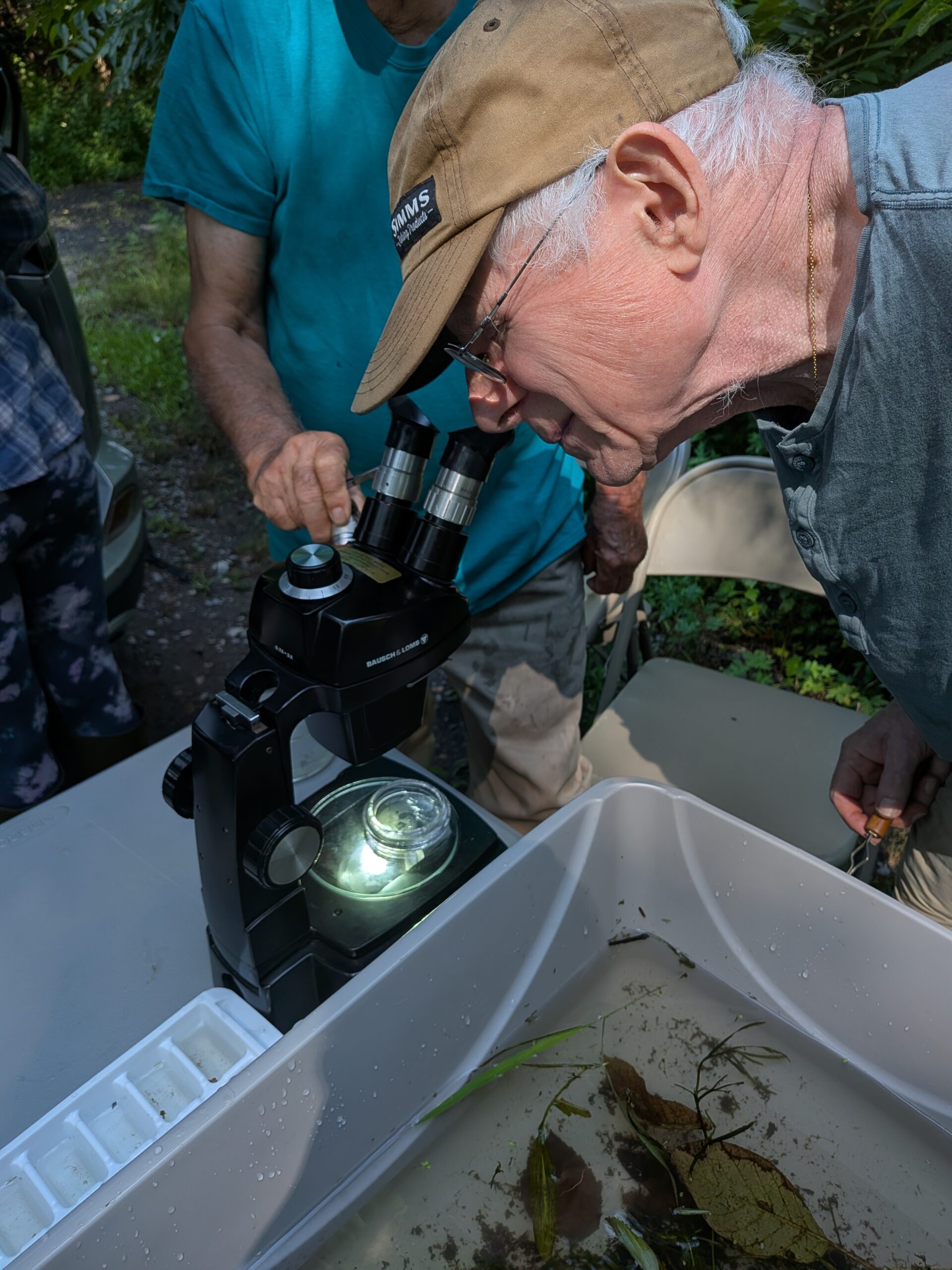
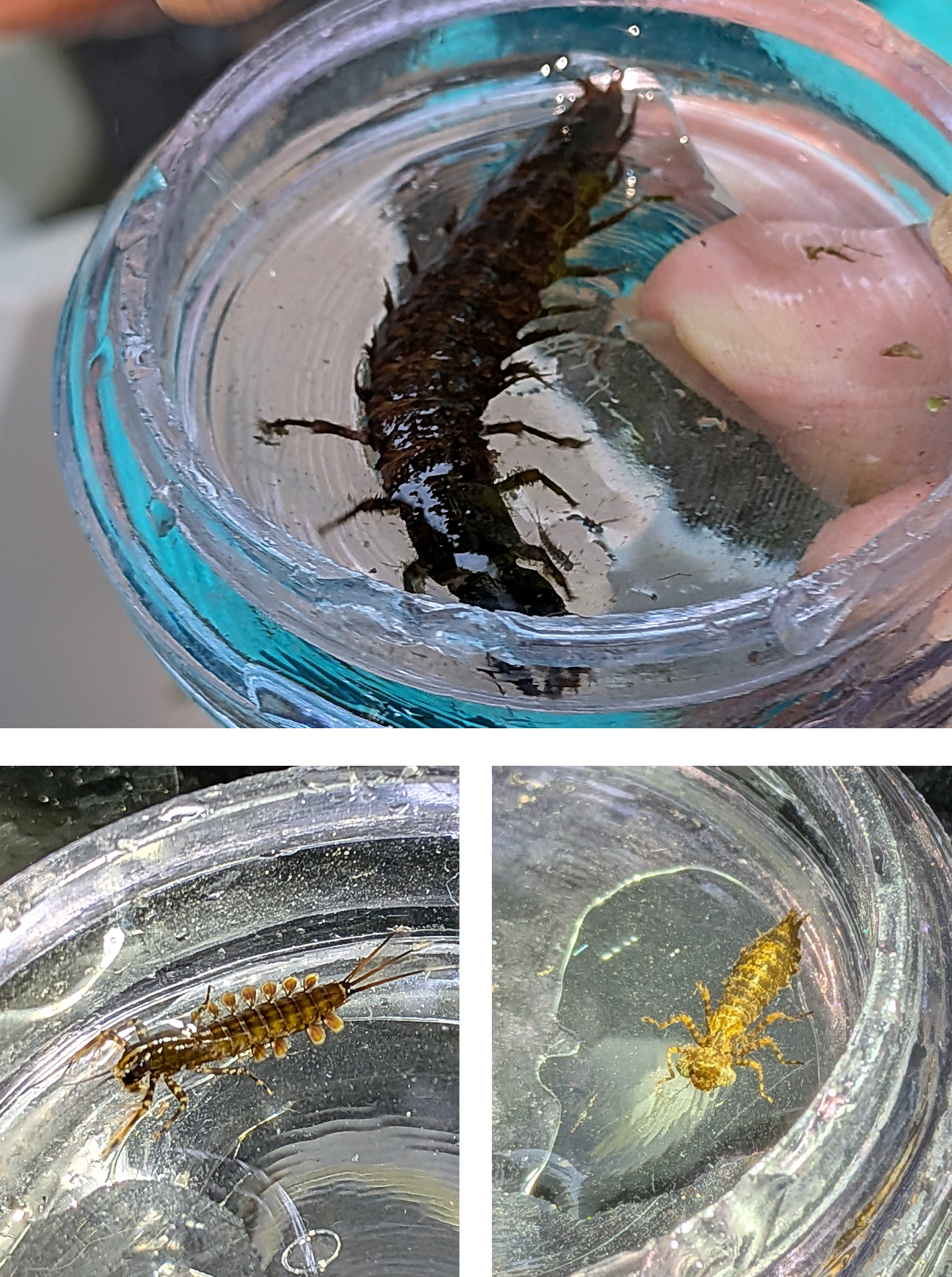
Biological Monitoring: Conducted every summer, volunteers will assist with habitat assessments and benthic macroinvertebrate sampling to gauge stream health.

Chemical Monitoring: In addition to automated sensors that will track data continuously, volunteers will gather monthly water chemistry samples. Parameters will include temperature, dissolved oxygen, turbidity, pH, nutrients, chloride, and E. coli.

The resulting data will be managed by Hudsonia and Manhattan University, uploaded to U.S. Environmental Protection Agency’s WQX database, and shared with the public through online reports and public presentations.

A recording of the introductory information session and the  biological monitoring training are available to watch. Those interested in volunteering can fill out a general interest form and sign up for biological sampling.

Reach out to Kristi MacDonald at Hudsonia with questions, kmacdonald@bard.edu.

Request for Proposals for Lower Esopus project funding

The Hudson River Foundation is requesting Letters of Interest for funding to support the Lower Esopus Stream Implementation Plan. HRF seeks to fund projects that will have a direct impact on reducing water quality impairments. Interested applicants from municipalities and non-profit organizations are invited to submit a brief letter of interest by April 30th.

For details, please see the RFP at the HRF website: https://hudsonriver.org/article/le-smp-grants/

Hudsonia developing citizen science monitoring program for Lower Esopus

For the first round of Environmental Benefit Funds distribution, Hudsonia was awarded a grant to develop a long-term water quality monitoring program. Their proposal includes data collection by volunteer citizen scientists, building upon existing Riverkeeper volunteer water sampling efforts. Biological and chemical data will include benthic macroinvertebrates, dissolved oxygen, turbidity, pH, nutrients, and other indicators of stream health. Volunteer recruitment is planned for the springtime. Previously, Hudsonia worked on an Esopus Valley Biodiversity Assessment Report in 2009.

Pathogen Pollution Sources

Preliminary results from a beach sanitary survey by Tighe & Bond by Town of Marbletown identified pathogen pollution sources as primarily equine (horses), avian (birds), and ruminants (deer). Although enterococci levels were generally below DOH thresholds, severe wet weather events triggered spikes.

These results are comparable to what has been found in New York City watersheds. In an interview with the New York Times, commission of NYCDEP Rohit Aggarwala was quoted as saying, “The biggest source of [water supply] contaminants, even in a more heavily developed area like Westchester, is waste from wildlife, primarily deer.” He also said, “Storm water from extreme rain is flushing more contaminants into all of the city’s reservoirs.”

Riverkeeper tributary monitoring reports have also shown that “entero counts tend to be greater after rain.” Except for Marbletown beach, the source of the pathogens in the Lower Esopus have yet to be clearly identified. The results from the Marbletown beach sanitary survey cannot be generalized downstream along the rest of the Lower Esopus without further study. As the creek flows past developed areas, sewage may become a contributing factor if septic and wastewater treatment systems are not operating properly, but additional source tracking would be needed to make a determination.

So far, the main culprits appear to be livestock and wildlife. As a mitigation measure, riparian buffers could help absorb and filter stormwater runoff to improve water quality. Additional source tracking could better characterize the source(s) of contamination and help develop appropriate remediation and prevention strategies.

Funding opportunity for Lower Esopus

View the funding opportunity administered by the Hudson River Foundation for Lower Esopus Stream Management Implementation Plan projects: https://www.hudsonriver.org/article/le-smp-grants/.

Letters of Interest are due on July 25th, 2025.

View a webinar from June 26, 2025 about the funding for Lower Esopus Implementation Projects: https://www.youtube.com/watch?si=8h4fdVg3Vf1NFp-J&v=45XUzZjbIyQ&feature=youtu.be&themeRefresh=1.

Ashokan releases responding to change of season and weather

Several parameters of the Ashokan Reservoir Release Protocol have been triggered lately. On May 1st, the minimum release volume increased as a seasonal adjustment from the wintertime level of 10 MGD to the summertime amount of 15 MGD. On May 5th, the release channel was shutdown in response recent rainfall as the water level at the USGS gauge on the Esopus Creek at Mount Marion approached the “Action Stage” of 18 feet. Minimum releases will resume once the gauge level drops back to normal. From May 1 to June 30, there is no Conditional Seasonal Storage Objective (CSSO) in effect while the reservoir fills to capacity. With recent rainfall, the Ashokan Reservoir is now over 100%, and water is pouring over the spillway from the East Basin. With more rain in the forecast, the Mount Marion gauge will remain above Action Stage for several more days, and the reservoir will continue spilling. Check stream gauges for the latest conditions.

Ice Safety

Blasts of arctic air this month have brought freezing temperatures to the region, and ice has formed over impounded waters of the Lower Esopus, such as Village Beach in Saugerties. This is a good time to be reminded of ice safety for ice anglers, ice skaters, and other winter enthusiasts. New York State Department of Environmental Conservation has helpful resources and guidelines for staying safe on the ice highlighted in this recent press release: Review Ice Safety Guidelines before Heading Out.

According to DEC’s Ice Thickness Table, four inches of solid ice (new, clear ice on non-running waters) is the general rule for safety to support ice fishing and other activities on foot. Here are some additional safety tips:

  • Carry ice safety picks (two handles with spike points) to help you get out of the water should you break through the ice;
  • Use the buddy system;
  • Since ice thickness can vary, check the ice periodically to stay safe;
  • Slush ice is 50% weaker, so double the recommended thickness for white ice;
  • Be especially alert in areas near shore and over moving bodies of water;
  • Use common sense: stay off ice that is 2-inches or less.

As the weather fluctuates and temperatures vary, it is important to check and recheck ice thickness. Adapt to changing conditions.

Watersheds Coordinator Position Advertised

Ulster County announced that a Watersheds Coordinator position has been advertised.  See the attached announcement for details of the job opportunity with the Ulster County Soil and Water Conservation District (UCSWCD). The job is also listed on Indeed.com: https://www.indeed.com/viewjob?jk=db0d84f5fd378292&from=shareddesktop


Job Vacancy Announcement: Ulster County Watersheds Coordinator

Drought Warning Issued

Creek levels are below normal as NYSDEC issued a drought warning for the Catskills, Hudson Valley, and New York City. A “warning” is the second of four levels of state drought advisories (“watch,” “warning,” “emergency” and “disaster”). Citizens are strongly encouraged to voluntarily conserve water.  Municipalities, including New York City, depend upon the Catskill watersheds for drinking water, and the prolonged lack of rainfall has affected regional reservoir levels.

To conserve water resources, homeowners in regions under the drought warning are encouraged to voluntarily reduce water use and follow these tips:

  • Wash cars less frequently.
  • Reuse water collected in rain barrels, dehumidifiers or air conditioners to water plants.
  • Use a broom, not a hose, to clean driveways and sidewalks.
  • Fix leaking pipes, fixtures, toilets, hoses and faucets.
  • Wash only full loads of dishes and laundry.
  • Take shorter showers or fill the bathtub partly.
  • Install water saving plumbing fixtures.
  • Don’t run the tap to make water hot or cold.

Homeowners who rely upon wells are also advises to take precautions.

Ashokan releases fluctuating during valve repairs

NYCDEP announced that perform critical and necessary repairs on the flow control valves for the Ashokan Release Channel from July 22 through July 31. During this time, flows in the release channel and points downstream will increase and fluctuate for brief intervals. The maximum release flows anticipated will be 600 MGD (930 cfs), and the minimum release flow will be maintained at 15 MGD (23 cfs) during the entire period. NYSDEC has approved the varying flow conditions and use of an alternate release point. Release Channel operations will otherwise continue in accordance with the Interim Release Protocol. 

Anglers and recreational users are advised to check local USGS gaging stations at Lomontville or Mt Marion and be aware of rapidly changing conditions. Stream level changes of 2.0 to 2.5 feet at both Lomontville and Mount Marion are expected from current conditions. The changes propagate along the creek from upstream to downstream and approximately 18 to 30 hours to travel from the Ashokan Reservoir to Mount Marion.